Jakob Reed · 2 November 2026
Exploring Real-Time Beacon Feedback Loops in Remote Wellness Support Ecosystems
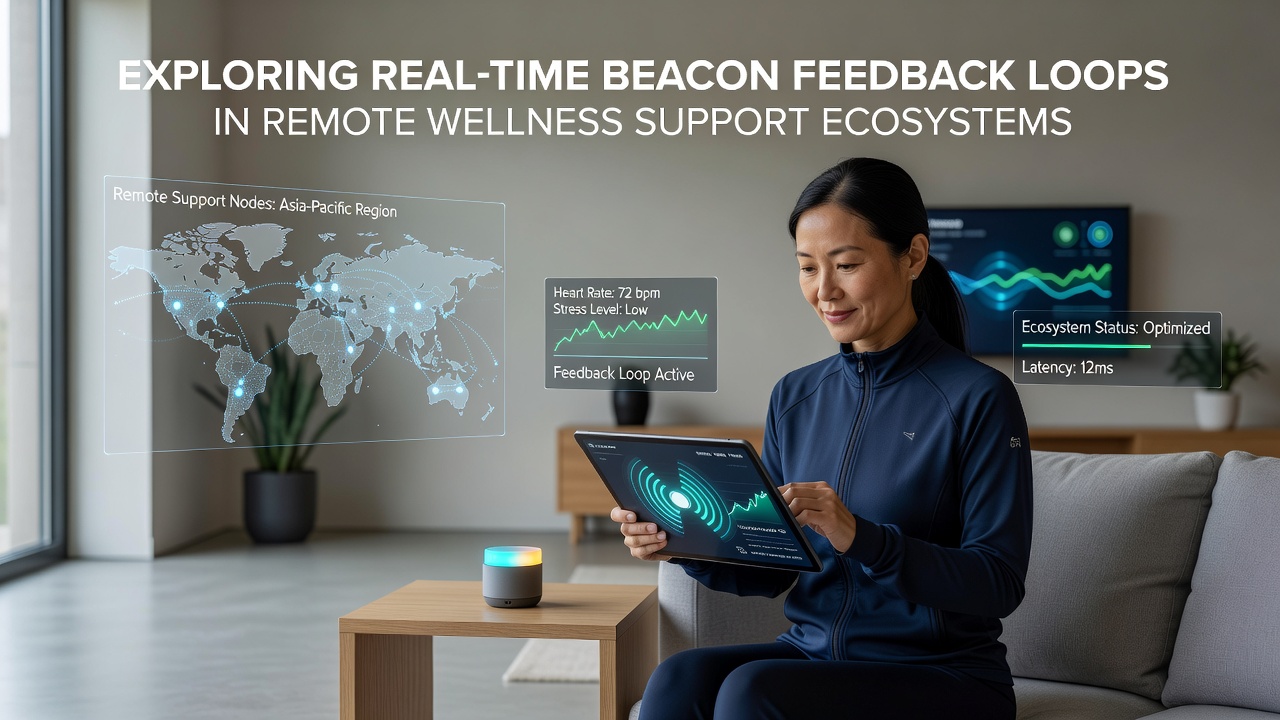
Real-time beacon feedback loops form the backbone of many remote wellness support ecosystems today, where small wireless transmitters collect physiological and behavioral data before sending it through networks for immediate analysis and response. Researchers have documented how these systems rely on continuous signal exchange between user devices and central platforms, creating closed circuits that adjust interventions based on incoming metrics like heart rate variability or activity levels.
Core Mechanisms of Beacon-Driven Loops
Beacons operate by emitting periodic signals that remote sensors capture, then route through processing nodes where algorithms compare live readings against established baselines. Data indicates that when thresholds are crossed, automated responses trigger notifications to support teams or personalized recommendations delivered back to the user device within seconds. Studies from institutions like the National Institutes of Health show these loops reduce response times in virtual care settings by integrating multiple data streams simultaneously rather than relying on periodic check-ins.
Calibration plays a central role because beacon output must stay consistent across different environments and user conditions. Observers note that teams adjust transmission power and sampling rates during initial setup phases, which helps maintain signal integrity even when users move between indoor and outdoor locations. What's interesting is how these adjustments create more stable loops that support ongoing participation without frequent manual resets.
Integration Patterns Across Support Networks
Remote wellness ecosystems often combine beacon data with broader community platforms, allowing support coordinators to monitor group trends alongside individual progress. According to findings published by the European Commission's health technology initiatives, aggregated loop outputs reveal participation patterns that help organizations allocate resources more effectively during peak demand periods. One case involved a network where beacon alerts prompted group wellness challenges, and participation rates climbed steadily as feedback reached participants in real time.
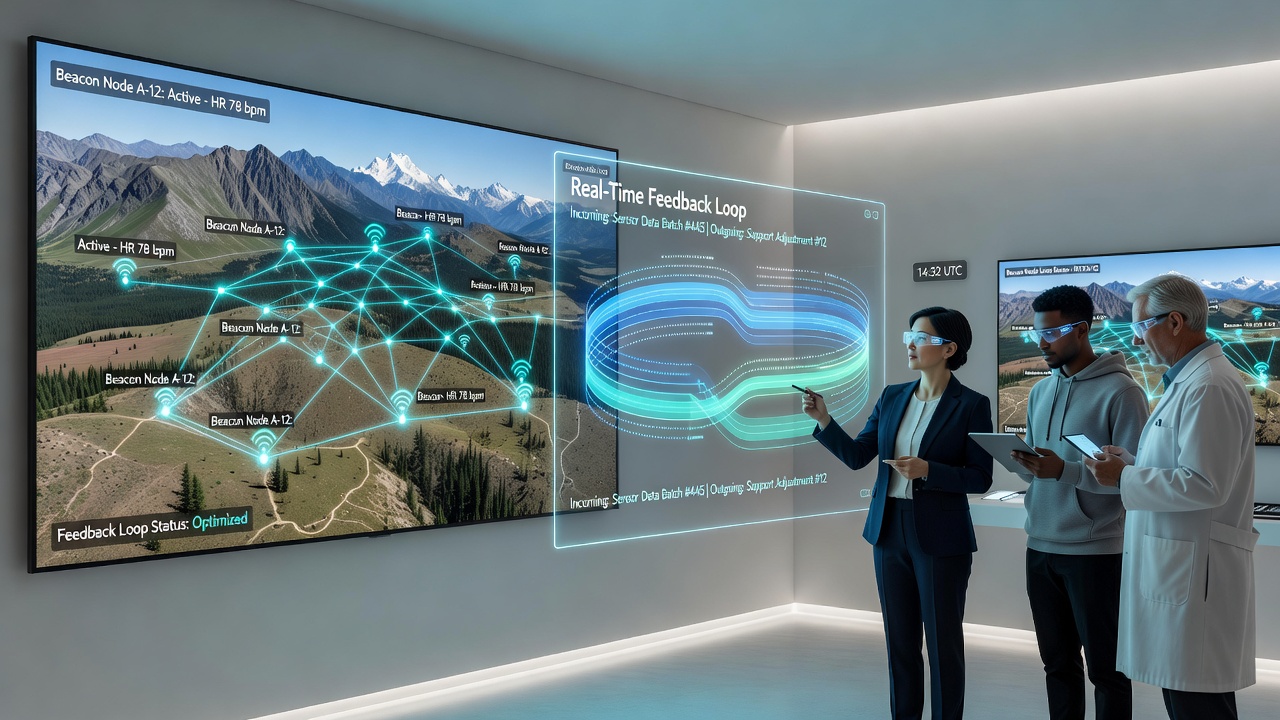
Signal propagation dynamics become especially relevant in large-scale deployments because distance and interference can weaken beacon reach. Experts have observed that mesh configurations help relay data across wider areas while preserving the speed needed for feedback accuracy. This approach supports users in rural or mobile settings where single-point connections might otherwise drop out.
Developments Anticipated by Late 2026
Preparations for the November 2026 Global Digital Health Symposium include dedicated sessions on refining beacon feedback protocols for wellness applications. Reports from participating research groups highlight ongoing trials that test advanced encryption methods within these loops, aiming to balance data utility with user protections across different regulatory regions. Figures from Australian health technology assessments reveal steady growth in adoption rates for similar systems over the past two years, driven by improvements in battery life and sensor miniaturization.
Those who've studied implementation data note that feedback loops perform best when they incorporate user preference settings early in the process. This allows individuals to control how often they receive prompts or how their metrics are shared within teh support ecosystem, which in turn sustains engagement over longer periods.
Evidence from Field Applications
Take one pilot program in Canada where beacon-equipped wearables fed data into a centralized platform serving remote communities. Researchers discovered that loop-driven alerts helped support staff intervene during early signs of wellness decline, and follow-up metrics showed measurable improvements in reported daily activity consistency. Similar patterns appear in reports from the World Health Organization's digital health working groups, which track how real-time systems scale across varied population densities.
Industry organizations such as the Digital Wellness Alliance have compiled case studies showing that well-tuned loops correlate with higher retention in virtual support programs. The data comes from multiple deployments spanning several continents, underscoring the adaptability of these architectures when local infrastructure differences are accounted for during rollout.
Conclusion
Real-time beacon feedback loops continue to evolve within remote wellness support ecosystems as hardware and software components advance in parallel. Evidence from ongoing studies and field programs demonstrates their capacity to deliver timely, context-aware responses that connect users with needed resources. As the November 2026 symposium approaches, further refinements in propagation techniques and integration methods are expected to expand the reach of these systems across additional geographic and demographic settings.